Anchored identity
Knowing what you value and why, so your choices are your own.
Human agency is the capacity to influence your own life and the world. As AI takes on more of what we used to call thinking, the most important question in education isn't which tools to adopt. It's what young people must keep practicing for themselves.
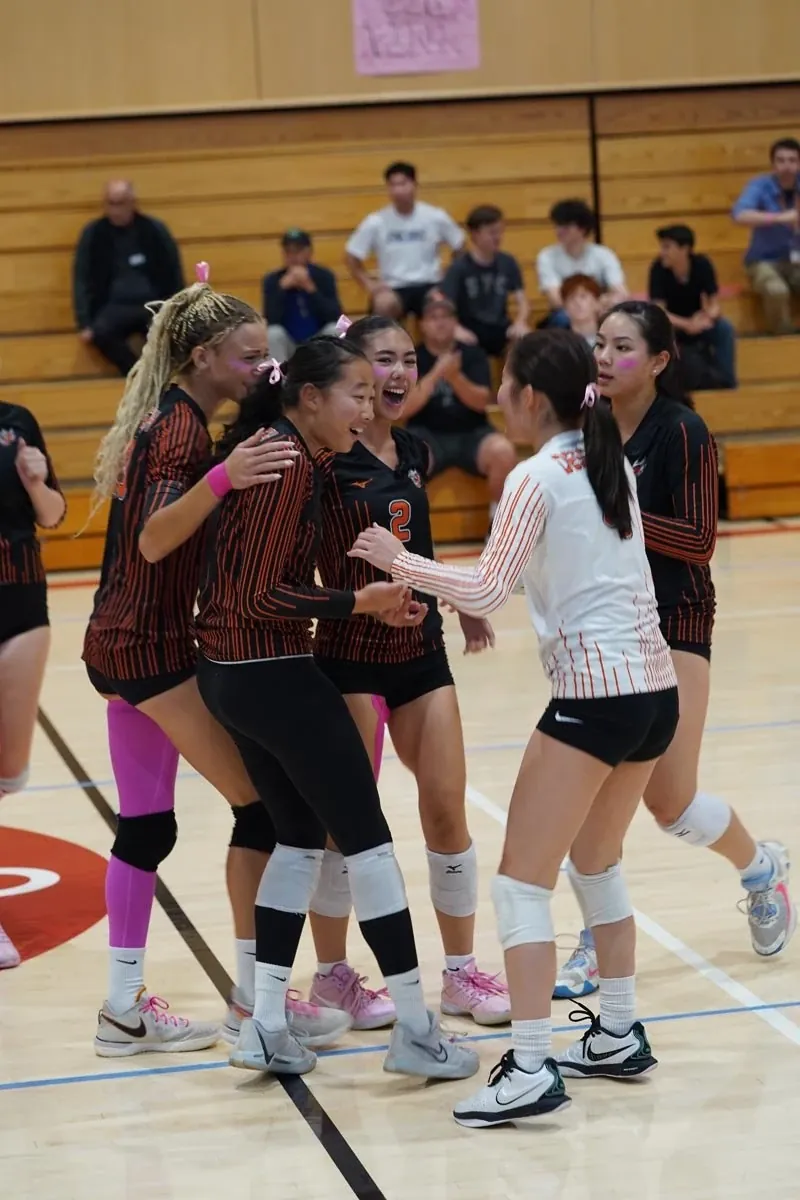
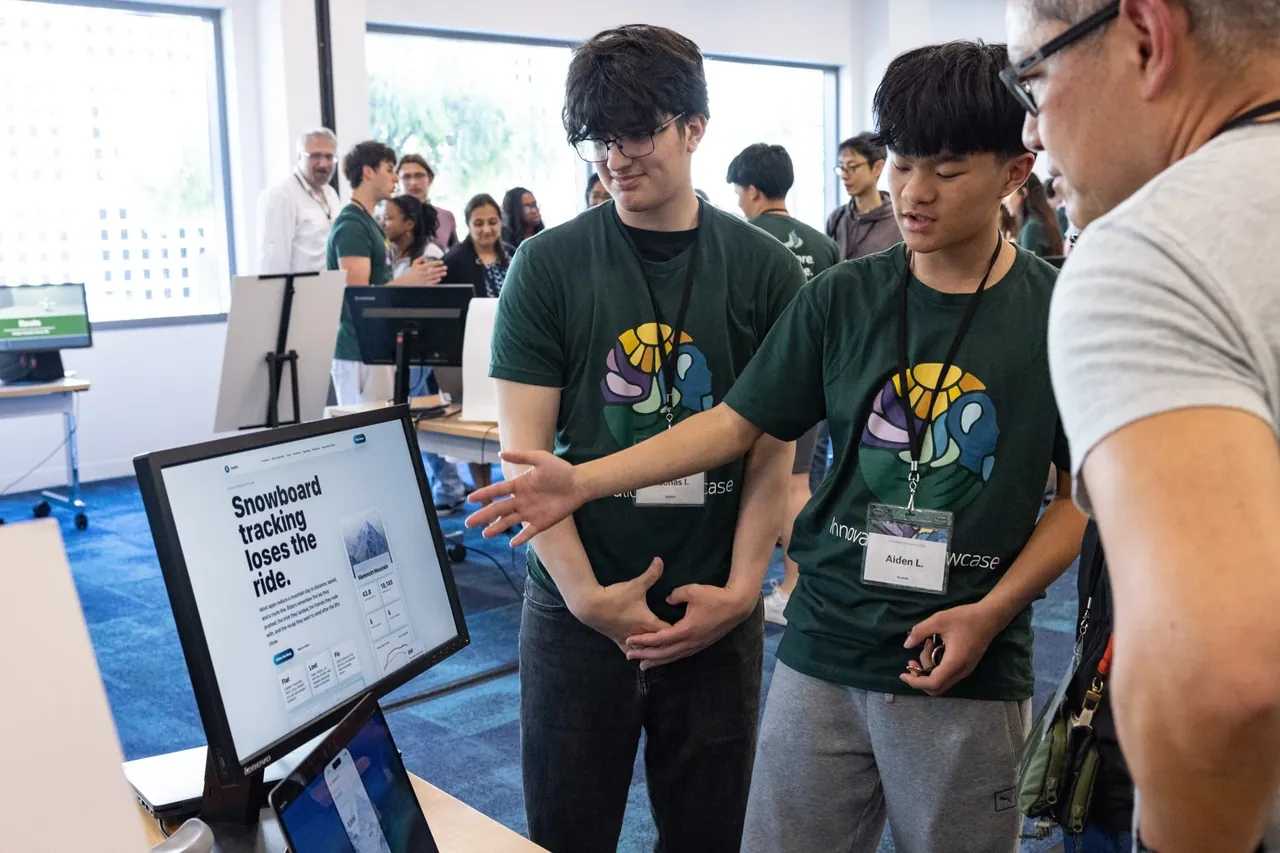
We are building learning communities where people of all ages make meaningful choices and take responsibility for their work. They practice using their judgment, adapting when circumstances change, working with others, and using new tools thoughtfully. Through that practice, they develop the agency to influence their lives and the systems around them.
Human agency is the capacity to positively influence your own life and community by setting goals, reflecting honestly, and acting responsibly. At d.tech we develop it through design thinking.
Knowing what you value and why, so your choices are your own.
Adjusting when tools, information, and conditions change.
Setting goals, making a plan, and following through.
Reading emotion, building trust, and sustaining real relationships.
Students need opportunities to know themselves, build useful skills, and work with other people. At d.tech, we’re exploring what that looks like across different classes. The work varies, but the question is the same: how can students turn what they know into action for themselves and others?
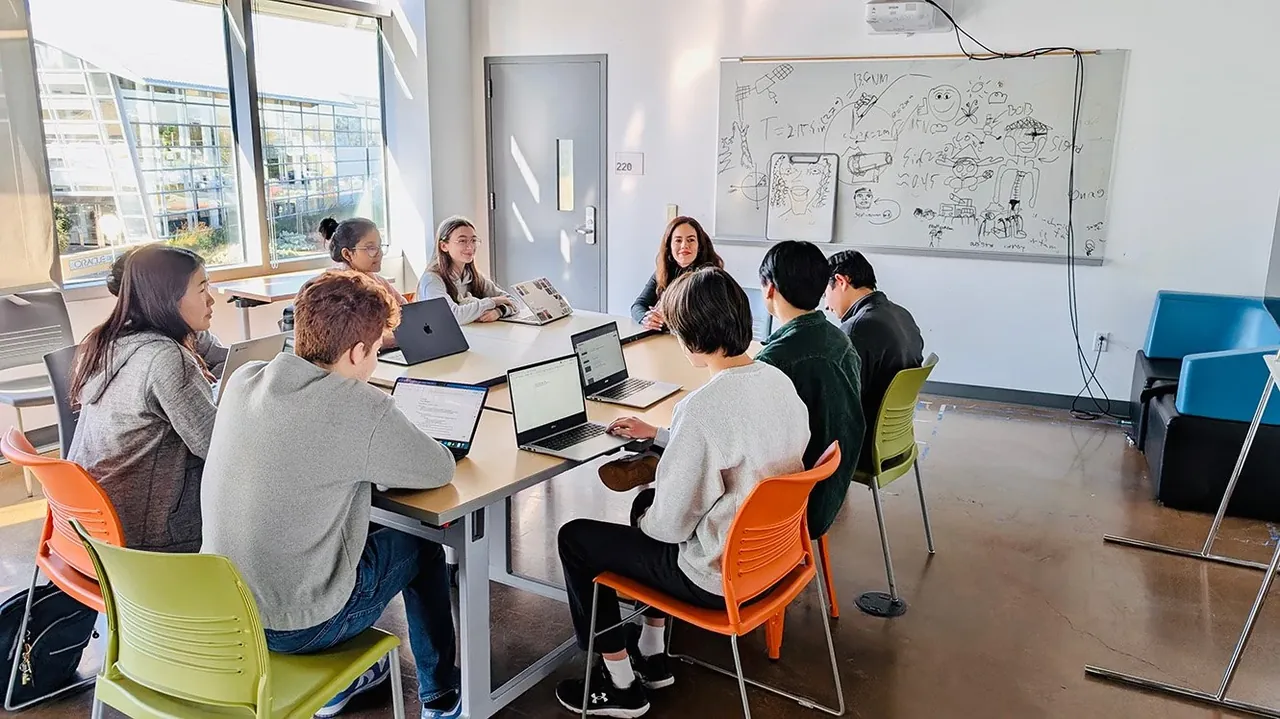
Classes offered at d.tech High School
Students investigate human agency through experiments with AI. They explore creativity, reflect on how they use new tools, and ask what it takes to remain in charge of their own thinking.
Students examine friendship, connection, and the role technology plays in their relationships. They put those questions into practice through conversations and a student-made documentary project.
Students work with youth-serving organizations on challenges that need teenagers’ perspectives. They practice listening, defining problems, and developing responses with the people affected.
Seniors apply design thinking to their own lives. Through values work, mentorship, and job shadowing, they explore possible paths and take steps toward a future they want to shape.
“This course helped me make connections and figure out who I am. It is helping me feel confident in the skills I can do. I feel more prepared for the future and excited for the possible careers I can go into.”
Do the skills you built at d.tech still serve you?
Read Jackson’s full interview at Oracle“One hundred percent — and I have to come back to the design thinking process here. As a high schooler, you’re asking, “What is this framework they keep teaching us?” Then you get into the real world and realize how useful design thinking is. So much of AI work is iterative: you empathize with the user, define the problem, generate ideas, prototype solutions, test, and iterate. That’s exactly how you work with these new tools. Being able to lay that design thinking framework over a completely new way of working is huge — and it’s not something you’d learn at most high schools.”

Early research suggests AI can deliver quick gains in confidence and speed. It also raises concerns that repeatedly handing off thinking and decisions may weaken the longer-term ability to exercise judgment. For teenagers the stakes are higher. Creativity, judgment, persistence, and a sense of authorship develop through practice.
Three questions we ask of every student and every school:
d.tech is a public high school on Oracle's campus, built on the design-thinking legacy of Stanford's d.school. We're close enough to technology to avoid reflexive resistance to AI, connected enough to research to question its effects seriously, and accountable to real students for real outcomes.
In 2026, d.tech was one of 12 school systems nationally to receive the AI K–12 Student Agency Award for responsible, human-centered AI integration. It was cited for building student agency before writing an AI policy, and for the students who co-designed the school's own AI framework.
Quarterly evening conversations at d.tech with researchers, journalists, and school leaders.
See the salon seriesTwo full days with school leaders, researchers, and technologists. Spring 2027.
Learn about the ConveningA monthly note on human agency, AI, our Innovation Program, and the work students are doing.
SubscribeCome to a salon in person, or subscribe for monthly updates.